

Help for Round Ligament Pain in Pregnancy
Pain does not need to be a part of your pregnancy! Read more to find out why!
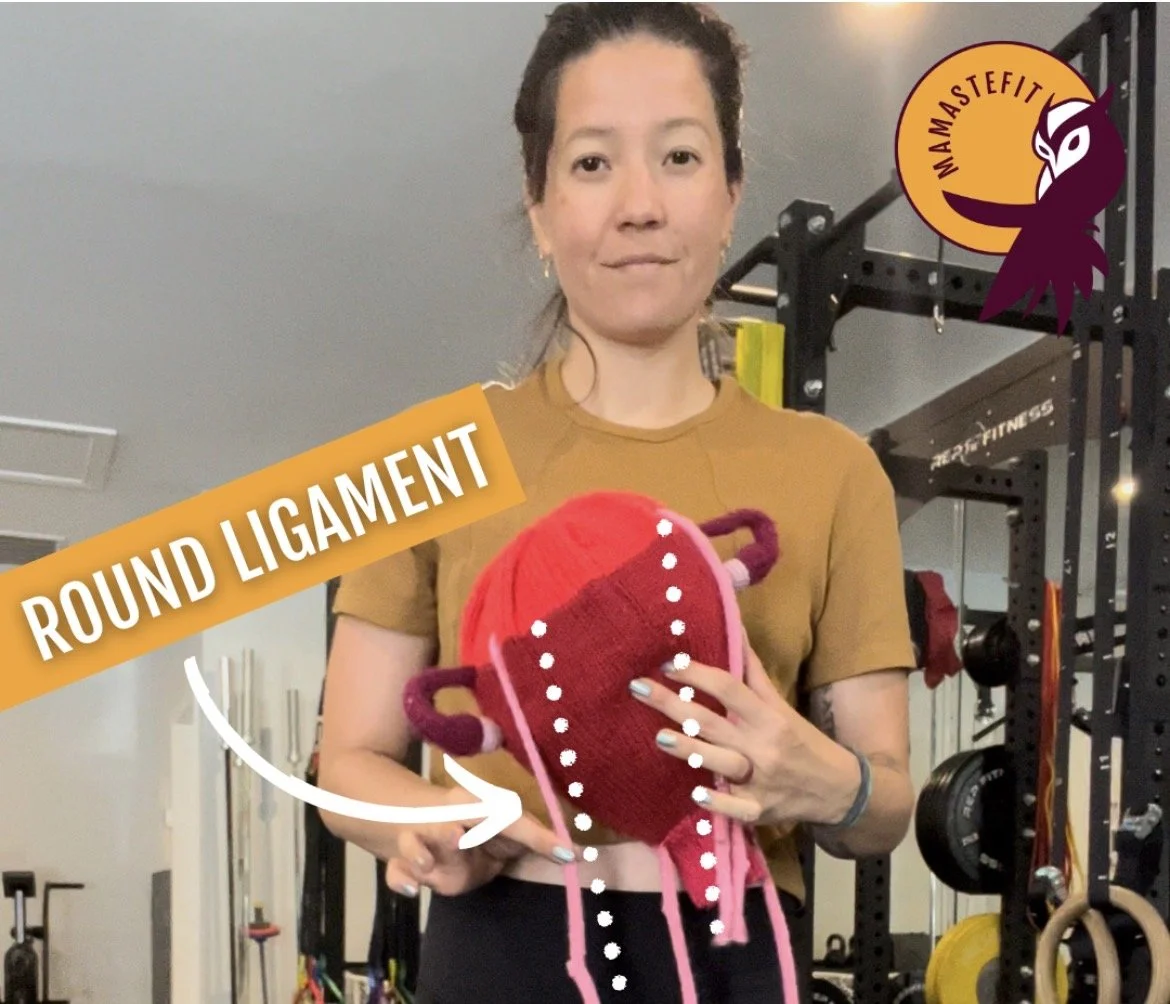
The round ligament is a ligament, or a fibromuscular band, that extends from the top of the uterus (or fundus) through the pelvis and anchors in the labia majora. In other words, it “crosses the pelvis through the deep inguinal ring which then traverses the inguinal canal and then enters the labia majora, where it terminates with its fibers blending into the mons pubis. There are two round ligaments, one on each side of the uterus.”
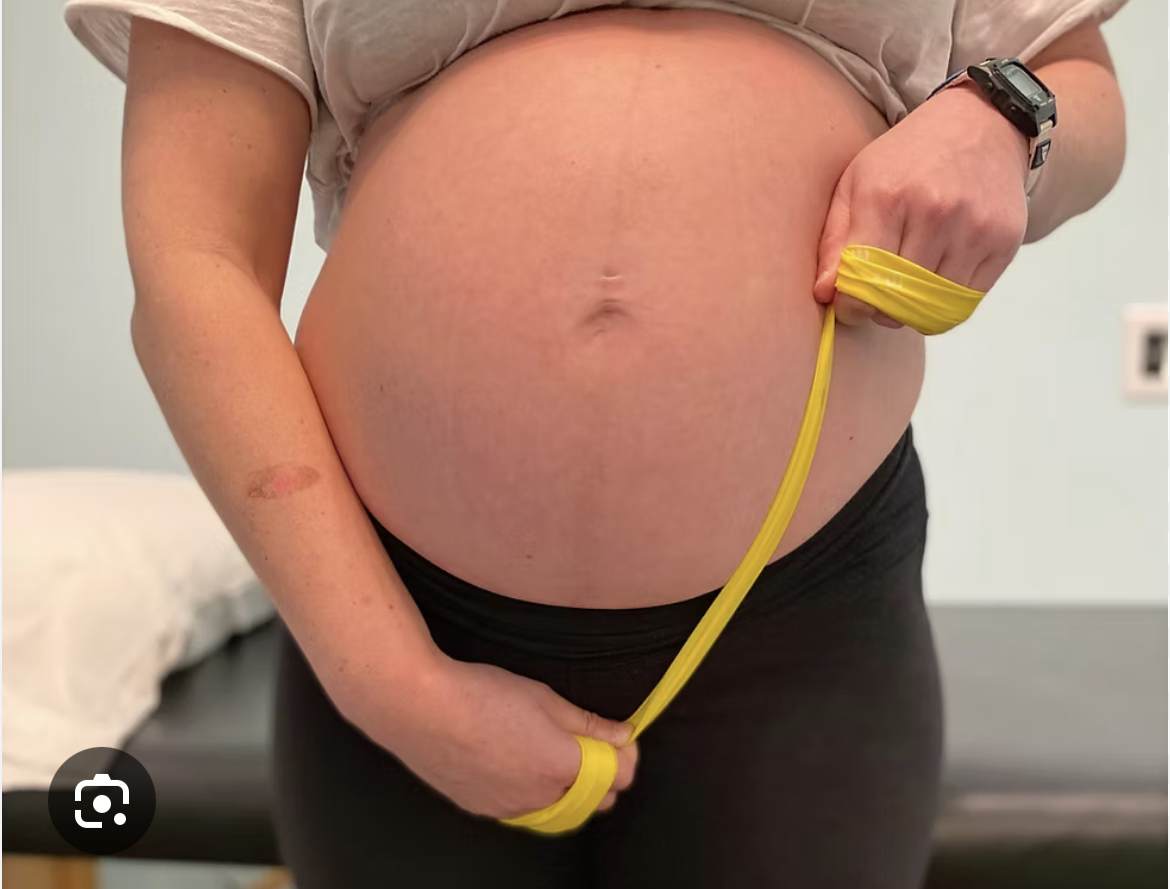
In short terms, the round ligament is like a rope that attaches your uterus to your pubic bone. As the baby grows in pregnancy, so does the uterus. This S T R E T C H E S out the round ligament.
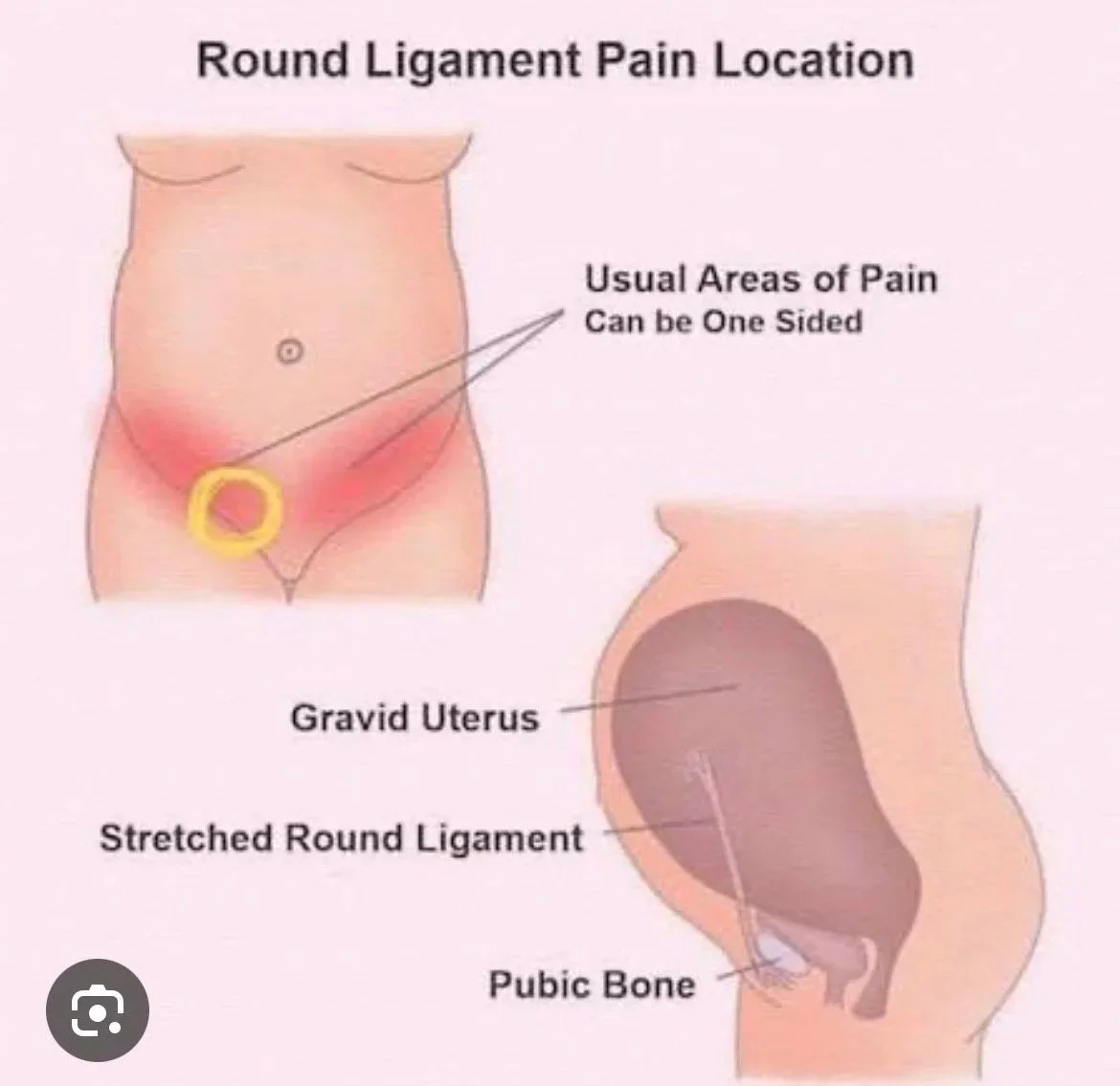
Round ligament pain may occur when the ligaments grow in length and diameter through pregnancy. The stretching and contracting of the ligament may result in cramping or the perception of pain. Many women describe round ligament pain as sharp, or pulling pain, on either side of their abdomen that may extend into their vulva.
Round ligament pain is NOT a symptom of disease BUT other pain in pregnancy should be ruled out. Talk to your midwife if your pain does not resolve with the natural suggestions in this handout.
Round ligament pain could be mistaken for:
-uterine cramping
-preterm labor
-stomach flu
-urinary tract infections
It is important these concerns be ruled out!
If you have uterine contractions not helped by the following methods, pain with urination, or other concerns, always contact your midwife.
If you experience stretching, or sharp, pain on either side of your lower abdomen, near your pubic bone, you are probably experiencing round ligament pain. When this occurs, try the following to relieve the stretching feeling of the round ligament:
Lean into it: If your pain is on your right, lean toward your right and see if it relieves. This will relax the ligament.
Press on it: The spasm of the ligament is what is painful. Press on it, massage it, and see if that brings relief. Listen to your body and see what is helpful for you specifically.
Work on your own ligaments: https://www.youtube.com/watch?v=7MMjm1leW1M
Get up correctly: Roll to your side and use your arms to sit up. DO NOT sit up straight directly from laying on your back. This is straining on the round ligaments and pulls your abdominal muscles apart.
Rest smart to keep your round ligaments balanced and without torsion. This will reduce your pain throughout the day and help you hold your chiropractic adjustments.
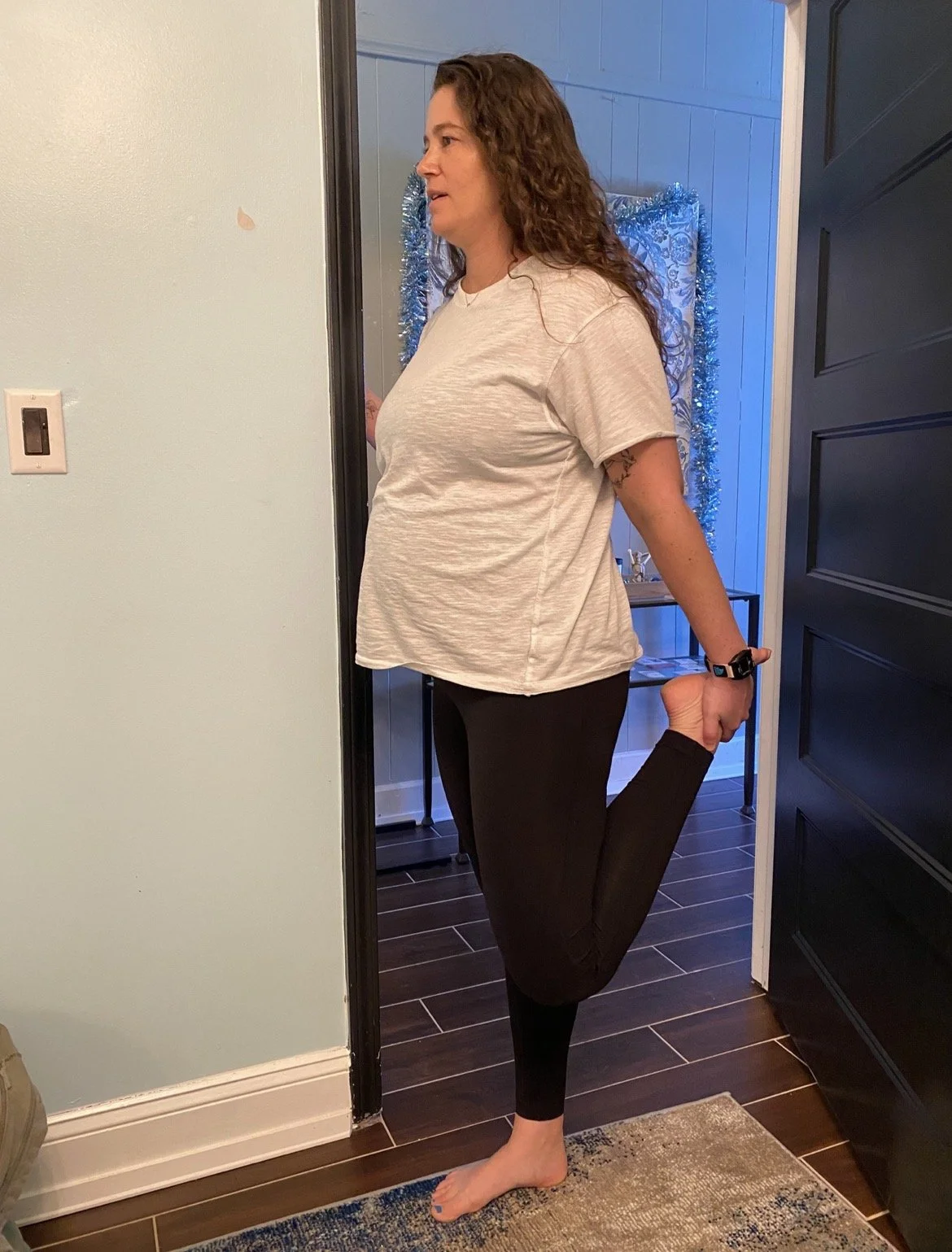
Stretch your hip flexors. Tight hip flexors can put strain on the round ligament. Bringing balance to your whole body allows the round ligaments to also be in balance.
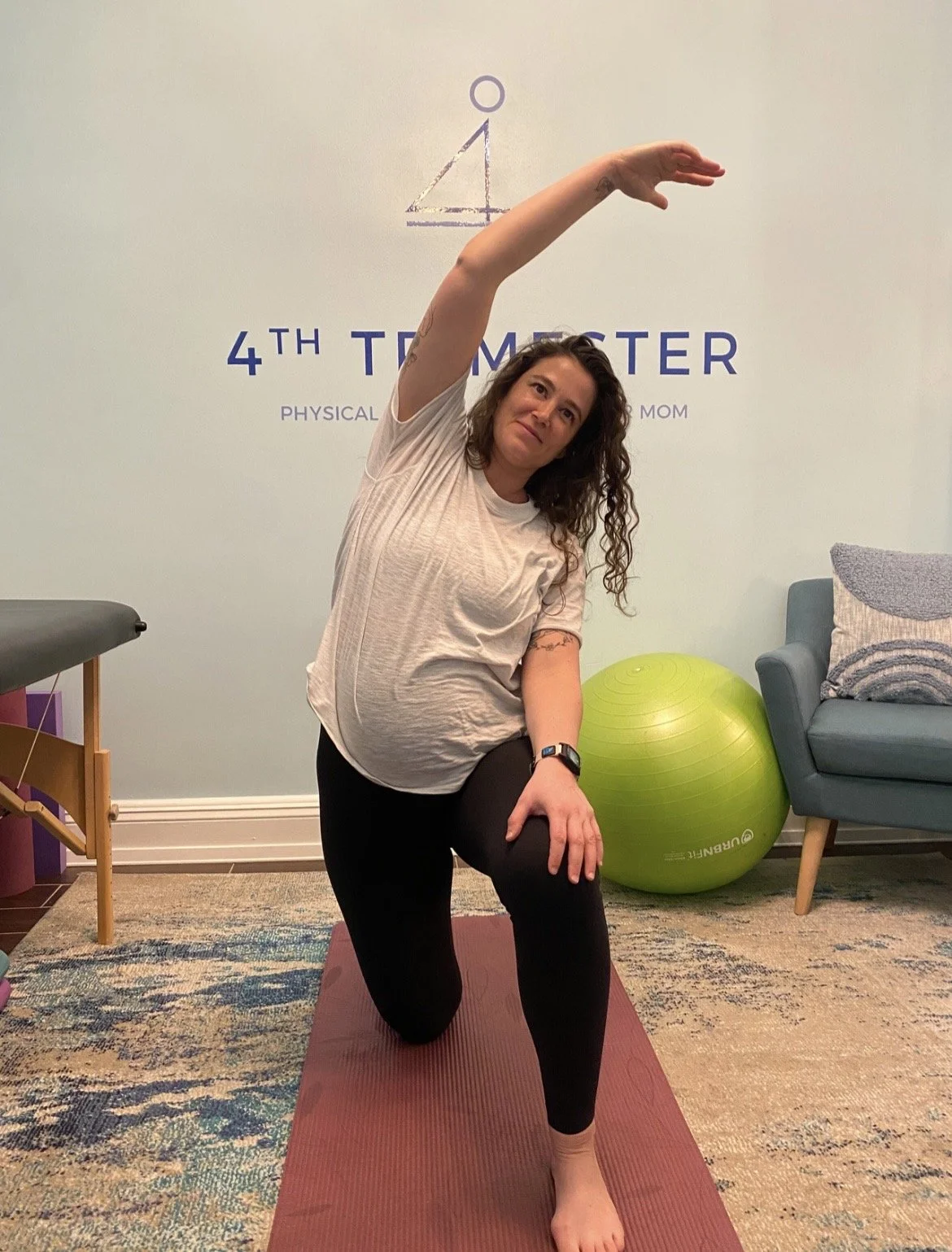
Spinning babies homework is your friend! Spinning babies techniques balance the soft tissue, or fascia, of the body. This includes the uterus and round ligaments. Using the rebozo and completing forward leaning inversions daily, is highly recommended to keep your round ligaments balanced:
Cat/cow stretches are simple and free. Do them slowly until you feel the area release and become more mobile. This may take doing about 15-20, or more, in a row. It may be helpful to build this into your morning and evening routine.
Chiropractic with a webster certified chiropractor works on the round ligaments to bring balance. If you have not seen a chiropractor before, we know it can be intimidating. Watch this video to see how gentle a pregnancy adjustment can be. We recommend the following chiropractors:
Dr Demetra: https://wholeheartedchiro.com/
Dr Kristin Hosaka: https://www.burlesonhealth.com/
Belly bands can be used to stabilize the pelvis and place less strain on the ligaments. This should only be used when body work and the above has been tried. Use of a belly band can weaken the entire pelvis and worsening symptoms.
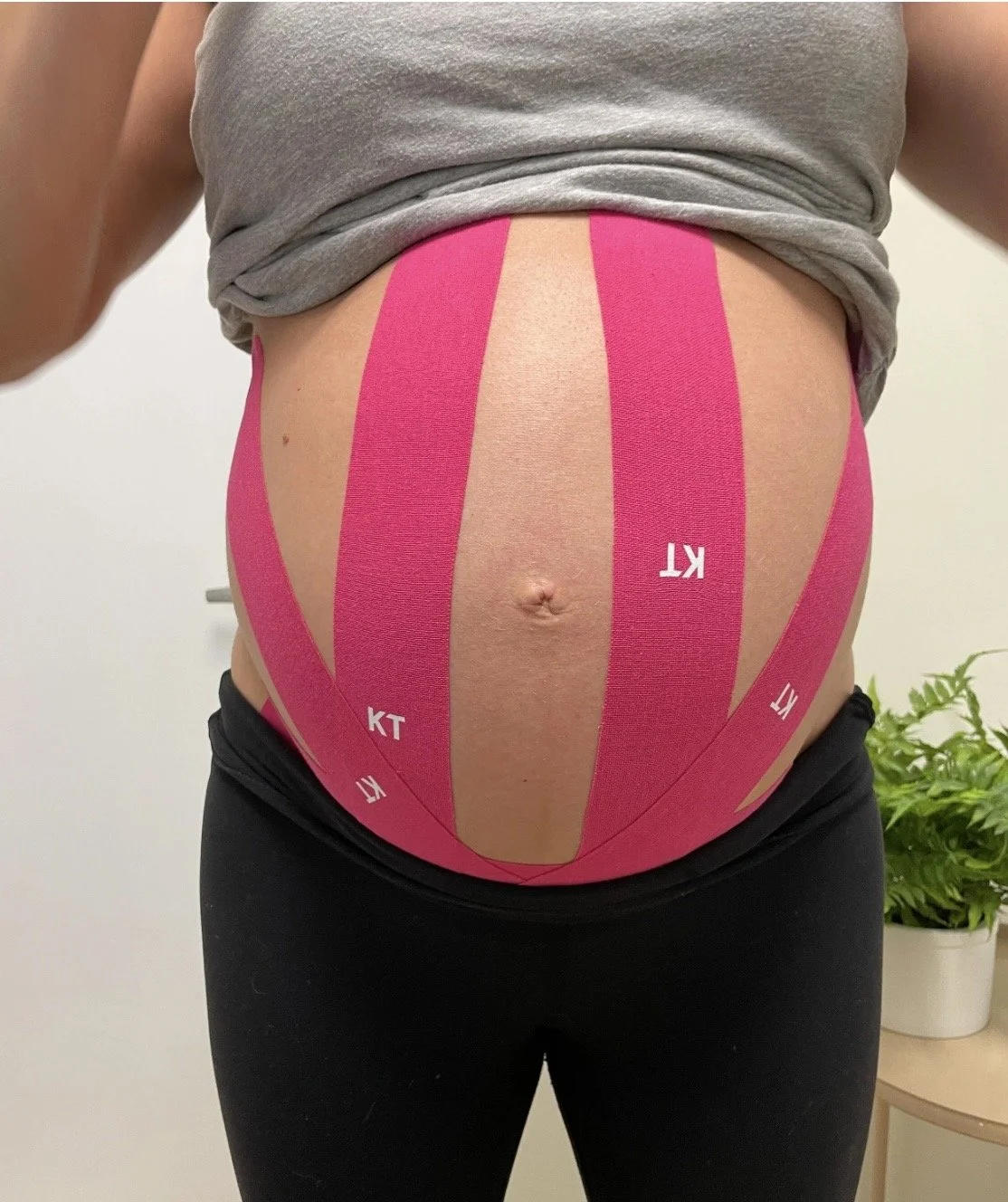
KT tape is a physical therapy tape that can be purchased almost anywhere. It is used to stabilize the area and reduce tension directly on the ligaments. Your chiropractor, or midwife, may apply for you or watch this video for more information. Note that some women have sensitive skin and may find the adhesive to be irritating. Use coconut oil in the shower to remove to reduce irritation.
Warm compresses, a warm rice sock, or a hot water bottle applied to the area may also be helpful. Heat brings blood flow and can reduce pain and inflammation. If you feel relief, balance time of rest with stretching.
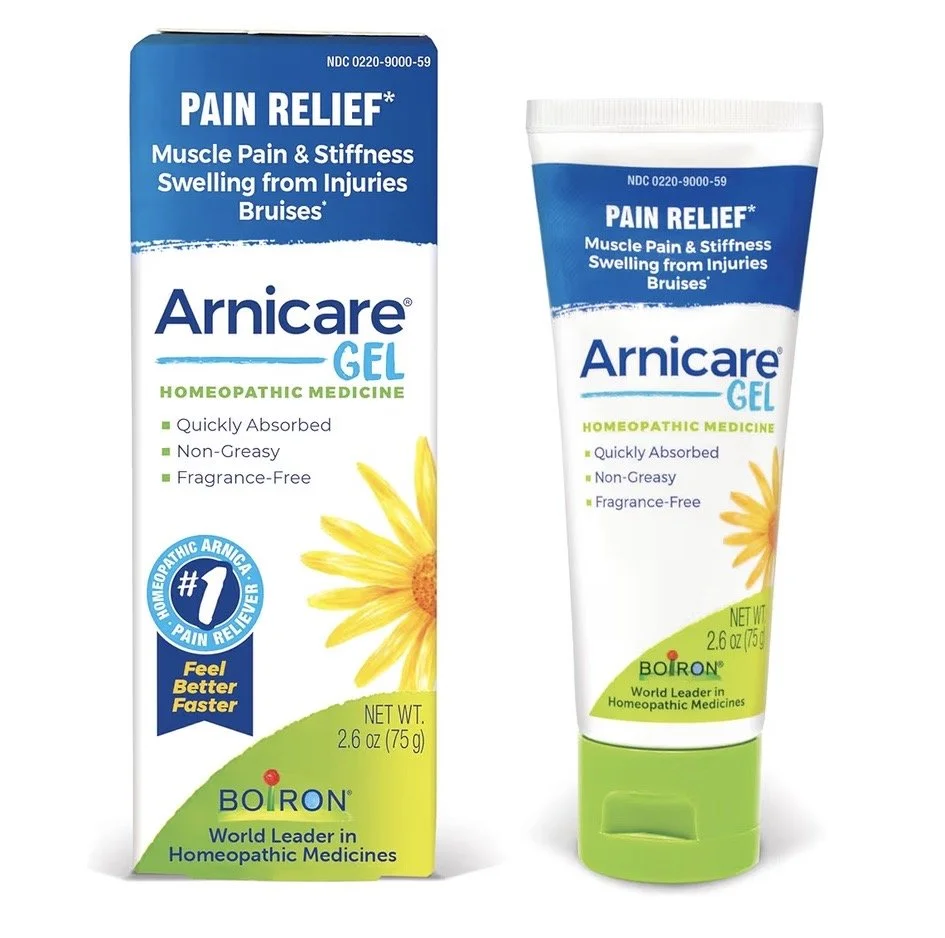
Arnica oil, or gel, are both safe to use in pregnancy. When applied topically, this plant reduces pain and inflammation.

Epsom salt, or magnesium flake, baths are helpful for any muscle soreness. Add at least 4 cups to a warm bath and soak for 20 minutes. It is easy for our skin to absorb magnesium so that this needed mineral can get right to those sore ligaments.
Collagen supplements are often recommended to support the round ligaments. Collagen may help with tissue elasticity and even reduce stretch marks and tearing during birth. Add a scoop to your smoothie, hot drink, or even bake with it to get your daily dose.
Magnesium malate at 2000mg per day is often recommended by midwives to relax all of your muscles and may also reduce round ligament pain.
Homeopathics:
Mag phos cell salt is commonly recommended for muscle spasms and strains. It may also help round ligament pain. More information on Joette Calabrese’s website.
Depending on your symptoms, you may also want to consider Belladonna, Rhus tox, Calc Fluor or Ferrum phos.
Contact your midwife if:
-the pain persists despite these healthy practices
-you feel cramping or uterine contractions before 37 weeks of pregnancy that do not resolve with a warm bath, hydration, or other natural remedies
-you experience any vaginal bleeding before 37 weeks of pregnancy that is not related to intercourse
-you have upper right quadrant pain
These are all concerning symptoms that are not correlated with round ligament pain and should be assessed further.
Finally, Why does it matter?
Why not just suffer through the pain? Pregnancy will end and then, the pain will likely resolve. Women are strong and pain is not a big deal, right?
WRONG! You deserve to thrive and enjoy your life without pain. In addition, tight round ligaments can result in a breech, or other, malpositioned baby. Tight round ligaments narrow the lower uterine area and may even cause uterine torsion. This makes it very difficult for the baby to enter the pelvis in an ideal position. A breech, or other malpositioned baby, increases the rate of interventions needed in labor, including cesarean. Balance those round ligaments so you can have an easy birth! This is the most important reason to take care of your round ligaments in pregnancy.
If you need further resources for reducing pain in pregnancy, we highly recommend:
Clavel Rotolo for homeopathic consults to help with round ligament pain: https://rootedinhomeopathy.com/
Commonwealth Center for Holistic Herbalism for herbal consults to help with round ligament pain:
https://commonwealthherbs.com/consultations/
Further Resources:
The 4th Trimester: https://www.4thtrimesterchs.com/post/tips-to-relieve-round-ligament-pain-during-pregnancy
Possible Causes of Breech Presentation: https://mamastefit.com/breech-presentation-possible-causes-amp-solutions/
